What This Guide Can't Tell You (Read This First)
The limitation comes first. The sources I could verify for this article were the Consumer Council homepage (consumer.org.hk) and the Hong Kong Observatory homepage (hko.gov.hk). Neither gave me a heater test result, a model, a price or a delivery window. Three other sources I tried, including the EMSD energy-efficiency pages, couldn't be verified.
I haven't tested any heater for this piece. There are no scores and no "I ran it for a week" claims. Anyone giving you exact HKD prices and order-by dates for four named heaters from this evidence would be making them up.
Verdict: treat this as a buying framework, not a ranked product test.
The Four Picks, Ranked by Type
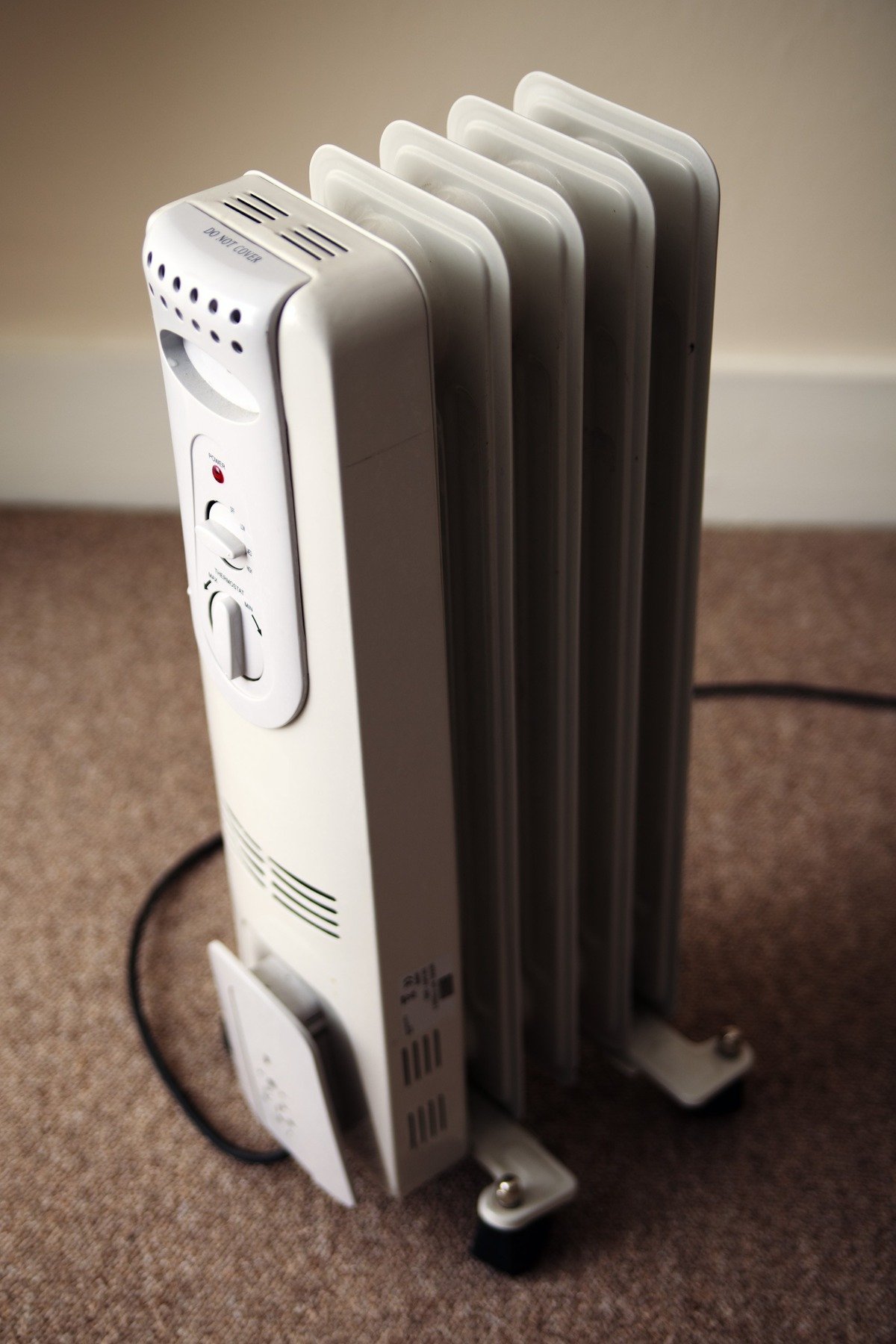
1. Tower ceramic with thermostat and tip-over switch. This is the one I'd buy for most flats. A tower takes up little floor, and a thermostat means it cycles instead of cooking the room. Those features matter more than any wattage figure on the box. In a 300–450 sq ft flat, a single tower in the living room is the sensible starting point.
2. Compact desk or under-desk ceramic. It heats you, not the room, which suits a work-from-home corner. The compromise is real: it does nothing for the rest of the flat. Don't buy a tiny unit with no tip-over protection because it's cheap.
3. Ceramic with timer and remote. For the bedroom. Setting it to switch off after you fall asleep is the whole point. Confirm the timer is a physical feature of the model, not an app dependency.
4. App-controlled "smart" ceramic. Last place. It's the one I'd call overpriced before it has earned anything. Buy a model with a plain timer instead and put the difference toward a second heater.
Verdict: tower first, timer model for the bedroom, desk unit only if you work from home. Skip the app.
| Type | Best for | Check before buying | Price (HKD) |
|---|---|---|---|
| Tower with thermostat Our Pick | Living room | Thermostat, tip-over and overheat cut-off | Check live listing |
| Compact desk / under-desk | Home office | Tip-over cut-off, stable base | Check live listing |
| Timer and remote model | Bedroom | Built-in timer, not app-only | Check live listing |
| App-controlled model | Few people | Whether the premium is justified (it rarely is) | Check live listing |
I've left the price column honest. These are editorial categories, not products I've priced.
Timing: Buy Before the Cold Front, Not After
I have no sourced data on heater stock levels or delivery slots, so I can't give you an order-by date. That would be invented.
The Observatory publishes a 9-day forecast and monthly climate figures based on 1991–2020 averages on its homepage. Check the forecast before you shop. My rule of thumb, which is not a data point, is to buy while the 9-day outlook looks mild. Don't wait for the cold-front headline and then compete for delivery slots.
Verdict: if you've already seen "cold" in the forecast, pay for the fastest delivery or collect in store.
Power and Safety in a Hong Kong Flat
This part is arithmetic and common sense, not sourced from the pack. A 2,000W heater on a 220V supply draws roughly 9 amps. Plug it straight into the wall, not into a cheap extension board shared with a kettle. Hong Kong flats have limited sockets and plenty of tangled strips, which is where the problem starts.
Keep it clear of curtains and clothes-drying racks. Don't use a general-purpose heater in a bathroom unless the manual explicitly says it's rated for one.
Ask for safety documentation at the shop. The Consumer Council takes complaints on 2929 2222, Monday to Friday 09:00–17:30, if a seller gives you trouble afterwards. That number is on their homepage. Check their 家庭電器 (household appliances) section for any heater test before you buy. I couldn't confirm one exists.
Verdict: a heater without a tip-over switch is a pass at any price.